8.1 Purpose
Rupkatha Books recognises authorship as both an intellectual achievement and a professional responsibility. Authorship acknowledges substantial scholarly contributions while affirming responsibility for the originality, accuracy, integrity, and ethical conduct of published work.
This policy promotes fairness, transparency, accountability, and responsible attribution of scholarly contributions across all publications issued by Rupkatha Books. It should be read together with the Publication Ethics Policy, Research Integrity Policy, Copyright and Licensing Policy, and other relevant publisher policies.
8.2 Principles of Authorship
Authorship should accurately reflect substantial intellectual contributions to a scholarly work. Every listed author should have participated meaningfully in the conception, development, execution, or interpretation of the research and should accept public responsibility for the published work.
Individuals who have made only administrative, financial, technical, editorial, or logistical contributions should normally be acknowledged rather than listed as authors.
8.3 Authorship Criteria
To qualify as an author, an individual should normally have made substantial contributions to one or more of the following:
- conception or design of the research;
- development of theoretical or methodological frameworks;
- acquisition, analysis, or interpretation of research materials or data;
- drafting significant portions of the manuscript;
- critical intellectual revision of the work;
- approval of the final version; and
- acceptance of responsibility for the integrity of the publication.
The Editorial Board may request clarification of individual contributions where necessary.
8.4 Corresponding Author
For multi-authored publications, one author shall normally be designated as the Corresponding Author.
The Corresponding Author is responsible for:
- communicating with the publisher throughout the editorial and production process;
- ensuring that all authors have reviewed and approved the manuscript;
- confirming that all listed authors satisfy the authorship criteria;
- coordinating revisions and responses to editorial comments;
- submitting required declarations and documentation; and
- acting on behalf of all co-authors unless otherwise agreed.
8.5 Order of Authorship
The order of authors should be determined by mutual agreement among all contributors before submission.
Rupkatha Books does not prescribe a universal convention regarding author order, recognising that practices differ across disciplines, cultures, and collaborative research traditions.
Any dispute concerning author order should be resolved by the contributors and, where appropriate, their affiliated institutions before submission.
8.6 Editors of Edited Volumes
Editors of collected volumes are responsible for:
- developing the intellectual framework of the publication;
- selecting contributors;
- maintaining scholarly coherence;
- coordinating peer review;
- ensuring editorial consistency;
- securing necessary permissions; and
- maintaining communication with contributors and the publisher.
Editors should be listed as authors of individual chapters only where they have made a substantial intellectual contribution to those chapters.
8.7 Translators and Other Scholarly Contributors
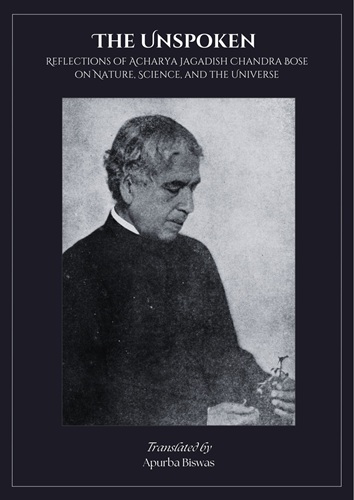
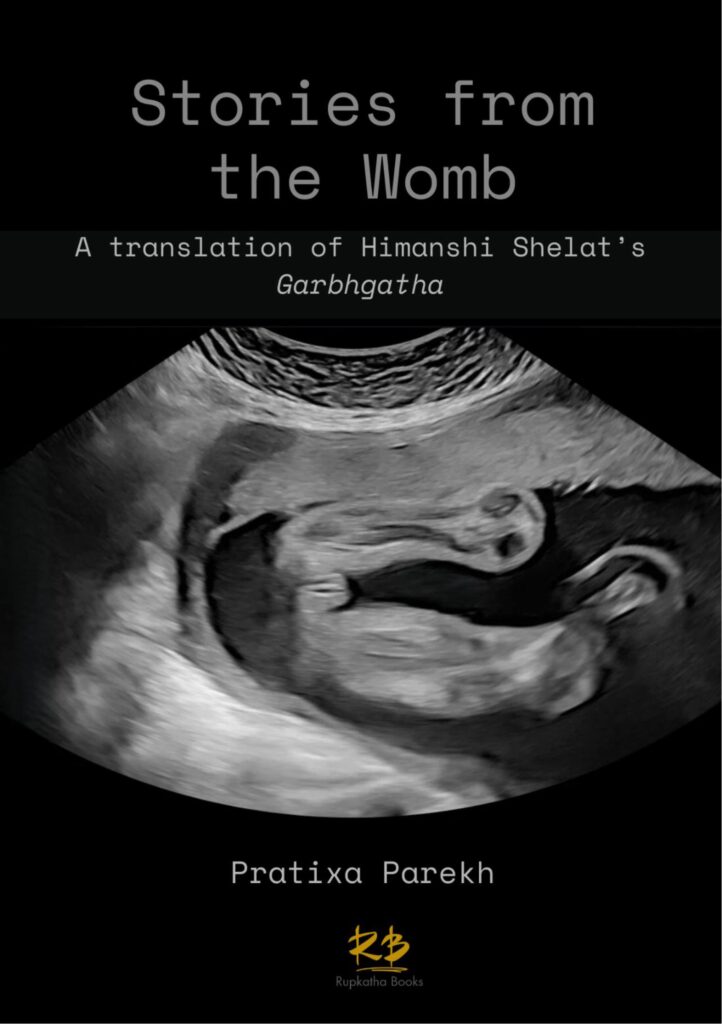
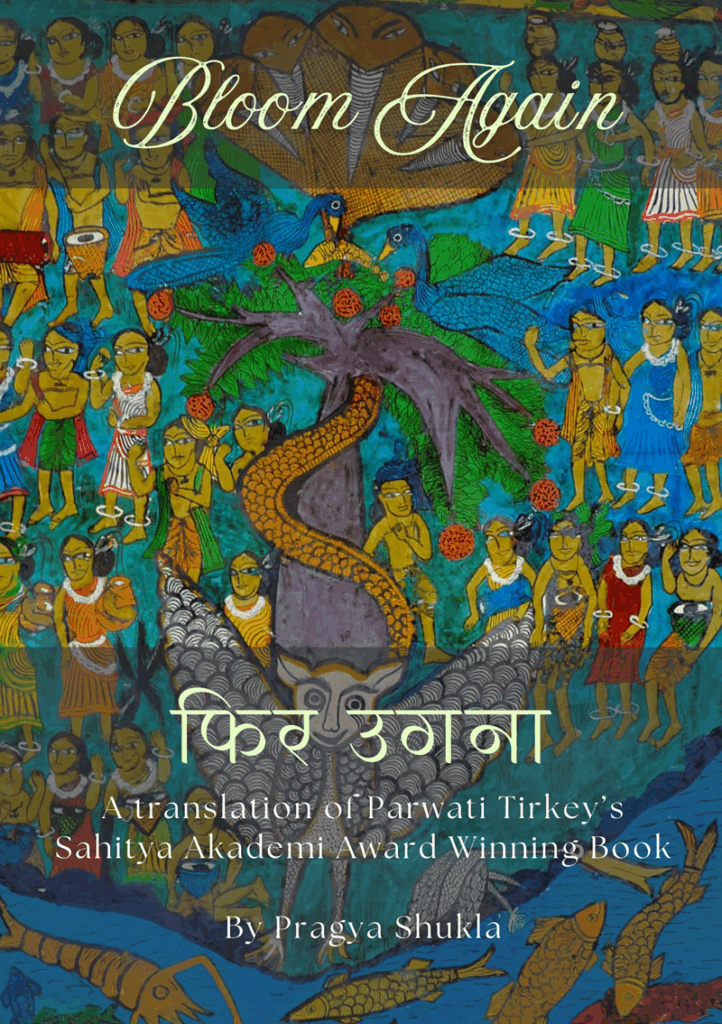
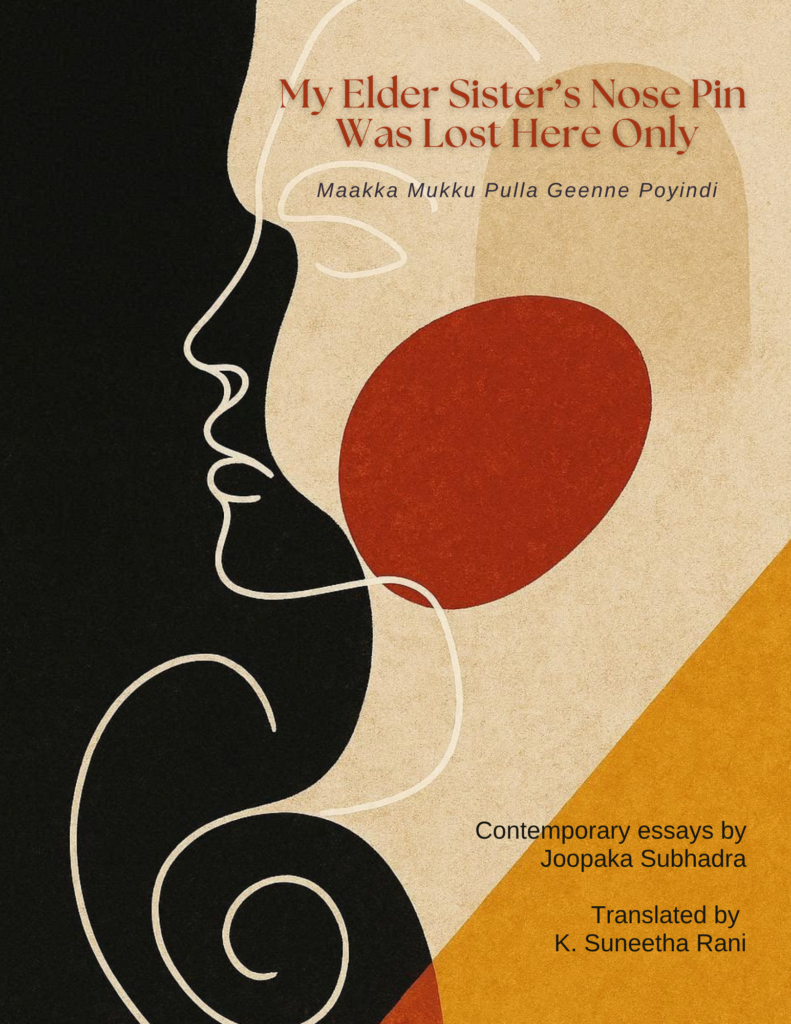
Rupkatha Books recognises translation, annotation, commentary, digital editing, compilation, and similar scholarly activities as important intellectual contributions.
Translators and other significant contributors shall receive appropriate recognition in publication metadata, title pages, copyright information, DOI records, and other relevant scholarly documentation.
8.8 Acknowledgements
Individuals or organisations that have contributed to a publication without meeting the criteria for authorship may be recognised in an Acknowledgements section.
Acknowledgements may include:
- research assistants;
- librarians and archivists;
- technical specialists;
- language editors and proofreaders;
- funding organisations;
- collaborating institutions;
- community partners; and
- other contributors whose support materially benefited the research.
Acknowledgements shall not be used to disguise honorary, guest, or gift authorship.
8.9 Changes in Authorship
Requests to add, remove, or reorder authors after submission shall be made in writing by the Corresponding Author and must include:
- the reason for the proposed change;
- written agreement of all existing authors; and
- written consent from any proposed additional author.
Following publication, changes in authorship will be considered only in exceptional circumstances and may require publication of a formal correction.
8.10 Unacceptable Authorship Practices
Rupkatha Books does not permit practices including:
- honorary or gift authorship;
- ghost authorship;
- guest authorship;
- purchased authorship;
- undisclosed AI authorship;
- false attribution of scholarly contributions; or
- any other form of deceptive authorship.
Such practices constitute breaches of publication ethics and may result in rejection, correction, withdrawal, or retraction of the publication in accordance with the Publication Ethics Policy.
8.11 Responsibility After Publication
Authorship responsibilities continue after publication.
Authors are expected to:
- respond to scholarly enquiries concerning their work;
- cooperate in investigations relating to research or publication ethics;
- provide supporting information where appropriate; and
- assist in correcting significant errors identified after publication.
Maintaining the integrity of the scholarly record is a continuing responsibility shared by all authors.
8.12 Persistent Scholarly Identity
Rupkatha Books strongly encourages all authors, editors, translators, and contributors to register for an ORCID iD or other recognised persistent researcher identifiers.
Persistent identifiers enhance:
- accurate author identification;
- scholarly attribution;
- discoverability;
- interoperability across research infrastructures; and
- long-term preservation of scholarly records.
The publisher will continue to adopt emerging international standards for contributor identification as scholarly infrastructure evolves.
8.13 Collaborative Scholarship
Recognising that contemporary research increasingly transcends disciplinary, institutional, linguistic, and national boundaries, Rupkatha Books actively encourages responsible collaborative authorship among researchers, universities, libraries, archives, scholarly societies, and international research networks.
Collaborative research should be founded upon transparency, mutual respect, equitable recognition, and shared responsibility.